
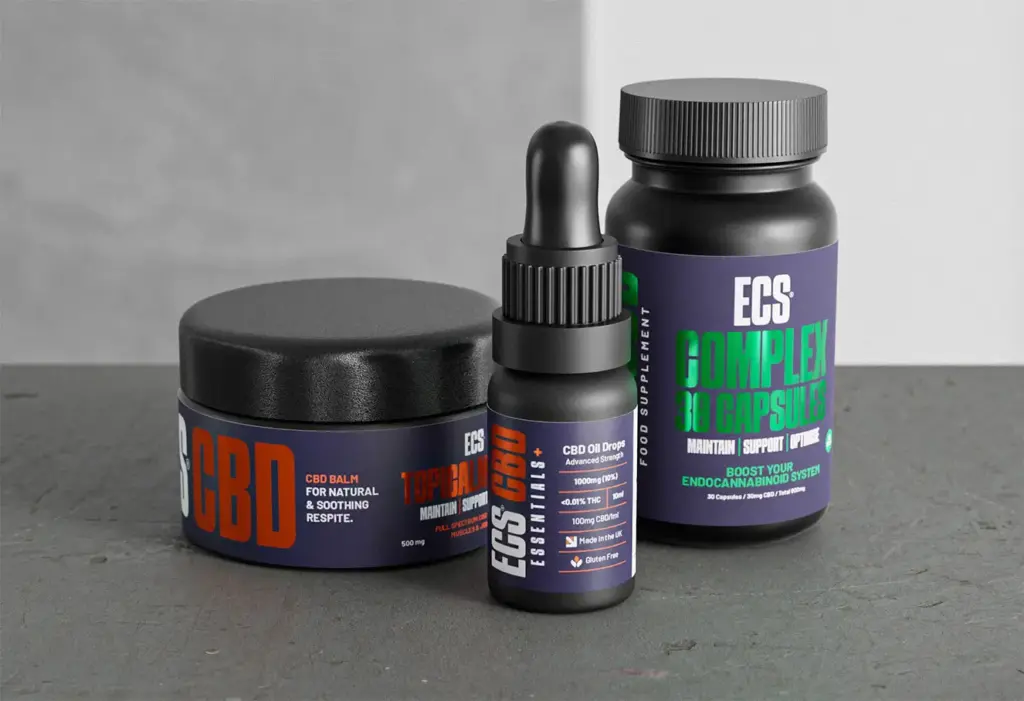
CBD oil is available in a wide range of strengths, often displayed as percentages or total milligrams.
For many people, understanding what these numbers actually mean can be confusing, especially when comparing products across different bottle sizes.
This guide explains CBD oil strengths clearly and practically.
It covers what percentages represent, how milligrams relate to daily use, and how to choose a CBD oil strength that fits your routine without overcomplication.
The aim is simple: to help you make an informed decision when buying CBD oil in the UK, based on clarity rather than guesswork.
What Do CBD Oil Strengths Mean?
CBD oil strength refers to how much cannabidiol is present in the bottle.
This is usually expressed in two ways: as a percentage (%) and as a total amount measured in milligrams (mg).
Both figures describe the same thing from different perspectives.
The percentage tells you how concentrated the oil is, while the milligram figure tells you the total amount of CBD in the bottle.
For example, a 10ml bottle containing 500mg of CBD is typically described as a 5% CBD oil.
To read more about pure CBD oil drops read our blog post on A guide to pure CBD oils in the UK.
Understanding CBD Oil Percentages
The percentage on a CBD oil label represents the concentration of CBD in the liquid.
Higher percentages mean more CBD per drop.
Common CBD oil strengths in the UK include:
- 3% CBD oil
- 5% CBD oil
- 6% CBD oil
- 10% CBD oil
- 12% CBD oil
These percentages are not indicators of quality. A lower percentage is not inferior, and a higher percentage is not automatically better.
The right strength depends on how much CBD you want to take per serving and how you prefer to manage dosing.
CBD Oil Strength vs Bottle Size
CBD oil strength should always be considered alongside bottle size.
A 10ml bottle and a 30ml bottle can both be 5% CBD oil, but the total amount of CBD will differ.
For example:
- 5% CBD oil (10ml) = 500mg CBD
- 5% CBD oil (30ml) = 1500mg CBD
The concentration per drop remains the same, but the larger bottle lasts longer.
This is why some people prefer higher-capacity bottles once they establish a consistent routine.
You can explore the full ECS range of CBD oils to compare strengths and bottle sizes.
How Many Milligrams of CBD Are in a Drop?
CBD oil is usually taken using a dropper, which allows for precise dosing. On average, a 10ml bottle contains approximately 200 drops.
This means:
- 5% CBD oil (500mg per 10ml) delivers roughly 2.5mg of CBD per drop
- 10% CBD oil (1000mg per 10ml) delivers roughly 5mg of CBD per drop
This drop-by-drop control is one of the reasons CBD oil remains the most popular CBD format. It allows users to adjust intake gradually and consistently.
Choosing a Lower Strength CBD Oil
Lower strength CBD oils, such as 3% or 5%, are often chosen by people who are new to CBD or who prefer smaller, adjustable servings.
These strengths allow for gradual intake without committing to higher concentrations. They are also well suited to people who prefer taking CBD multiple times per day in smaller amounts.
ECS offers lower-strength options within its pure CBD oil range for those seeking simplicity and consistency.
For information on how to take CBD oil read our blog post called How to take CBD oil.
Mid-Strength CBD Oils
Mid-range CBD oil strengths such as 6% CBD oil are commonly selected by people who have already established a routine and want a little more CBD per drop without moving to very high concentrations.
These CBD oil strengths can reduce the number of drops needed per serving while still offering flexibility.
Many users find this range suitable for evening routines or daily balance without needing to measure large volumes of oil.
High-Strength CBD Oils Explained
High-strength CBD oils, such as 10% or 12%, contain more CBD per drop. This means fewer drops are required to reach the same total intake.
These oils are often preferred by experienced users who are comfortable with CBD oil and want a more concentrated format.
High-strength oils are not inherently stronger in effect; they are simply more concentrated. The total amount taken still depends on how many drops are used.
Is Stronger CBD Oil Better?
Stronger CBD oil is not better or worse by default. It simply offers a different way to deliver CBD.
Some people prefer lower-strength oils because they like to spread intake across the day. Others prefer higher-strength oils because they want fewer drops.
The key is consistency rather than chasing a higher percentage.
CBD Oil Strengths and Daily Use
CBD oil is designed to be used consistently rather than sporadically. Many people incorporate it into a morning or evening routine.
Using the same strength regularly allows you to understand how much CBD you are taking and adjust gradually if needed.
Changing strength too frequently can make it harder to establish a routine.
CBD Oil and the Endocannabinoid System
The body contains an internal regulatory network known as the endocannabinoid system (ECS). This system plays a role in maintaining balance across many physiological processes.
CBD interacts indirectly with this system, supporting its natural function without producing intoxicating effects.
CBD oil is an efficient way to introduce cannabidiol into the body because it allows controlled, repeatable intake.
The choice of CBD oil strengths comes down to the individual user in question.
Pure CBD Oil vs Other CBD Oils
Pure CBD oil contains cannabidiol as the sole active cannabinoid. These formulations are typically made using CBD isolate and contain no THC.
This appeals to people who want a straightforward ingredient profile with no additional cannabinoids or terpenes.
ECS offers a dedicated pure CBD oil category for this purpose where our oils are available in differing CBD oil strengths.
Reading CBD Oil Labels Correctly
When buying CBD oil, it is important to read labels carefully especially when considering CBD oil strengths… Look for:
- Total CBD in milligrams
- Bottle size
- CBD percentage
- Ingredient list
Clear labelling helps you understand exactly what you are buying and how it fits into your routine.
Independent research has shown that CBD oils are commonly produced in a wide range of strengths to suit different user preferences and routines.
Concentration levels are typically expressed as a percentage of cannabidiol within the carrier oil (National Center for Biotechnology Information).
Buying CBD Oil in the UK
CBD oil sold in the UK must meet regulatory requirements, including limits on controlled cannabinoids and compliance with food supplement standards.
Other CBD formats are availble – find our more in our blog post about CBD oil vs balms and capsules.
Reputable brands provide transparent information about ingredients, CBD oil strengths, and intended use.
Shopping directly from established UK brands reduces the risk of confusion between products with similar names or unclear labelling.
FAQs
What CBD oil strengths should I start with?
Many people start with a lower strength such as 3% or 5% and adjust gradually.
Does higher percentage CBD oil work faster?
Higher percentages deliver more CBD per drop, but overall effect depends on total intake and consistency.
Is CBD oil strength the same as quality?
No. Strength refers to concentration, not quality. Quality depends on formulation, sourcing, and testing.
Can I change CBD oil strength over time?
Yes. Many people adjust strength as their routine develops.
How long does a bottle of CBD oil last?
This depends on bottle size, strength, and how many drops are used daily.